
Mark each sensor on a simple floorplan.
For property owners
Find where they're getting in.
Place eight sensors around the problem area yourself — the kit is designed for it. Each morning, see which sensor moved first and last, and we review the data with you and recommend where sensors go next.
Tell us what’s happeningWhat is happeningRecurring signs with no clear source
At the propertyYour home
What this helps withWhere to look — and where sensors move next
What you see the next morning
See which sensors detected movement first.
Eight sensors go around the problem area — placed by you or a pest professional. RodentRadar shows where each one detected movement and in what order.
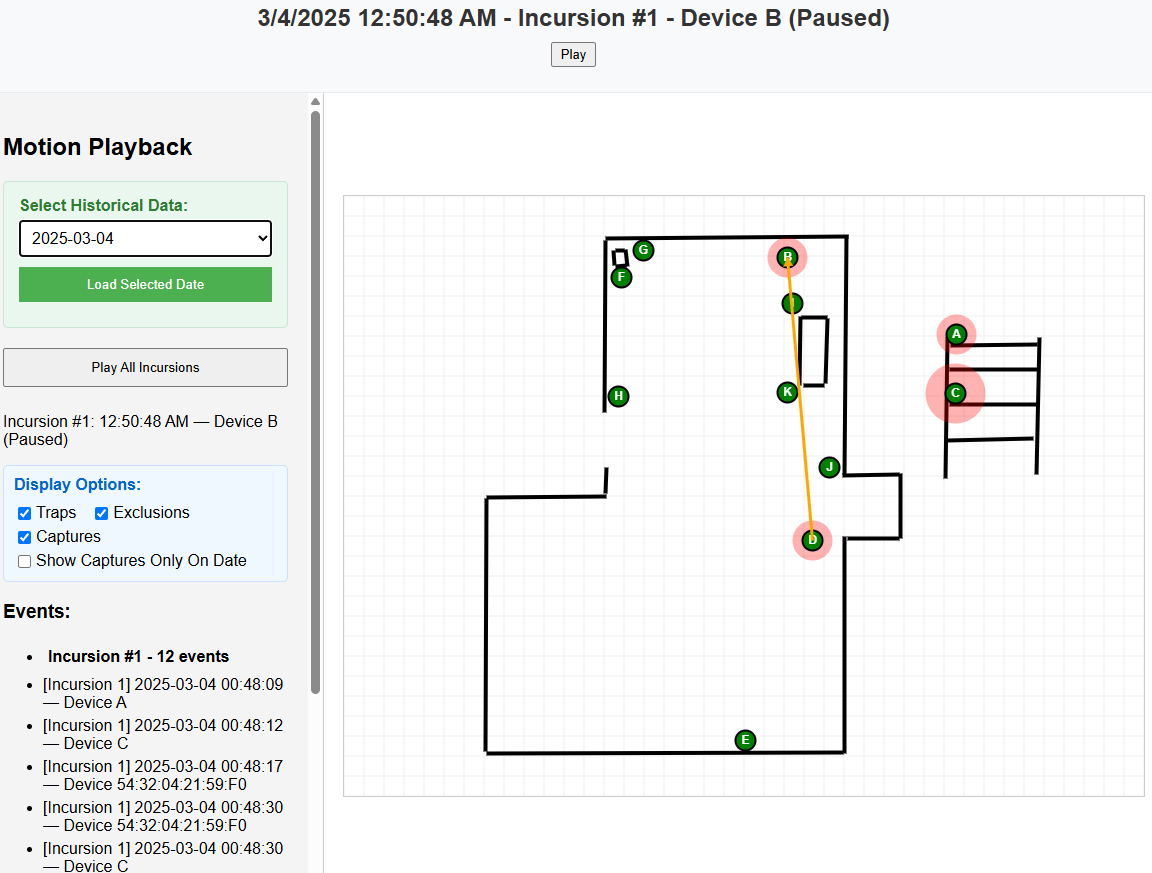
Movement recorded at a sensor The line shows order, not the animal’s path
When it is worth using
Use it when the problem returns.
- 01You hear or see signs of activity at night.
- 02The problem returned after regular service.
- 03You want a clearer place for the next inspection to begin.
What changes after one night
The next inspection has a place to start.
The floorplan shows where the sensors detected movement. The inspection starts in those areas — by you or a pest professional.
Find out which sensors detected movement first and what followed.
Inspect where the data points and seal what you find — or hand the pest work to a professional.
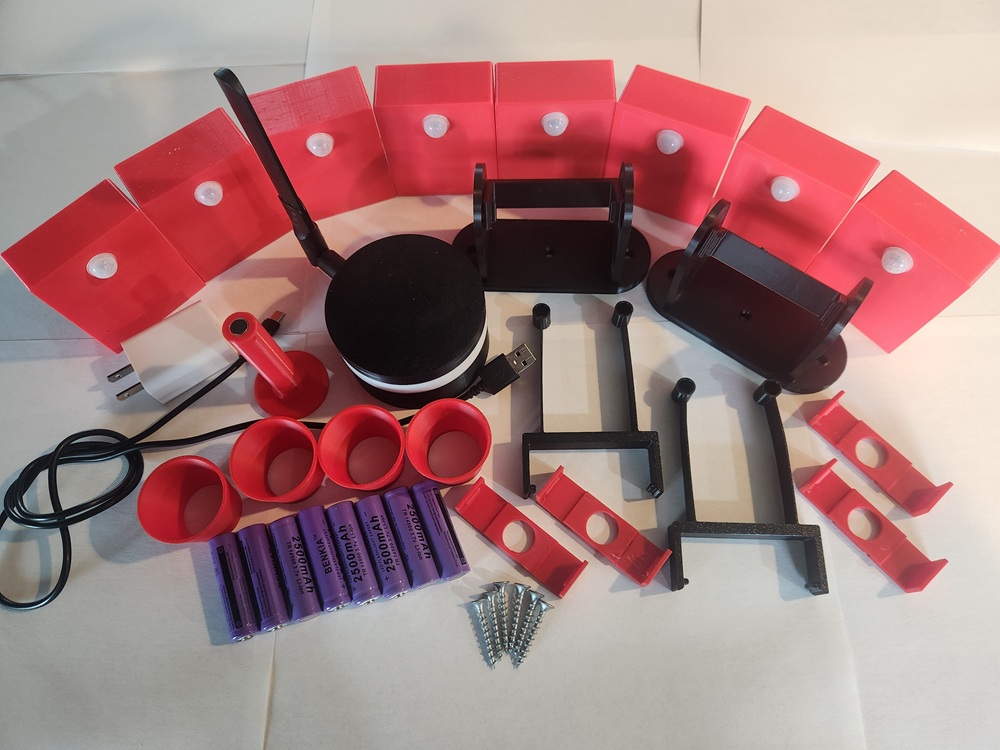
What goes on the property
One base station. Eight sensors.
The sensors are placed around the area where activity has been noticed. The base station receives what they detect overnight.
Tell us about the property
Tell us what keeps happening.
Tell us what you have noticed, where it happens, and what has already been tried. Sending the form does not place an order.